

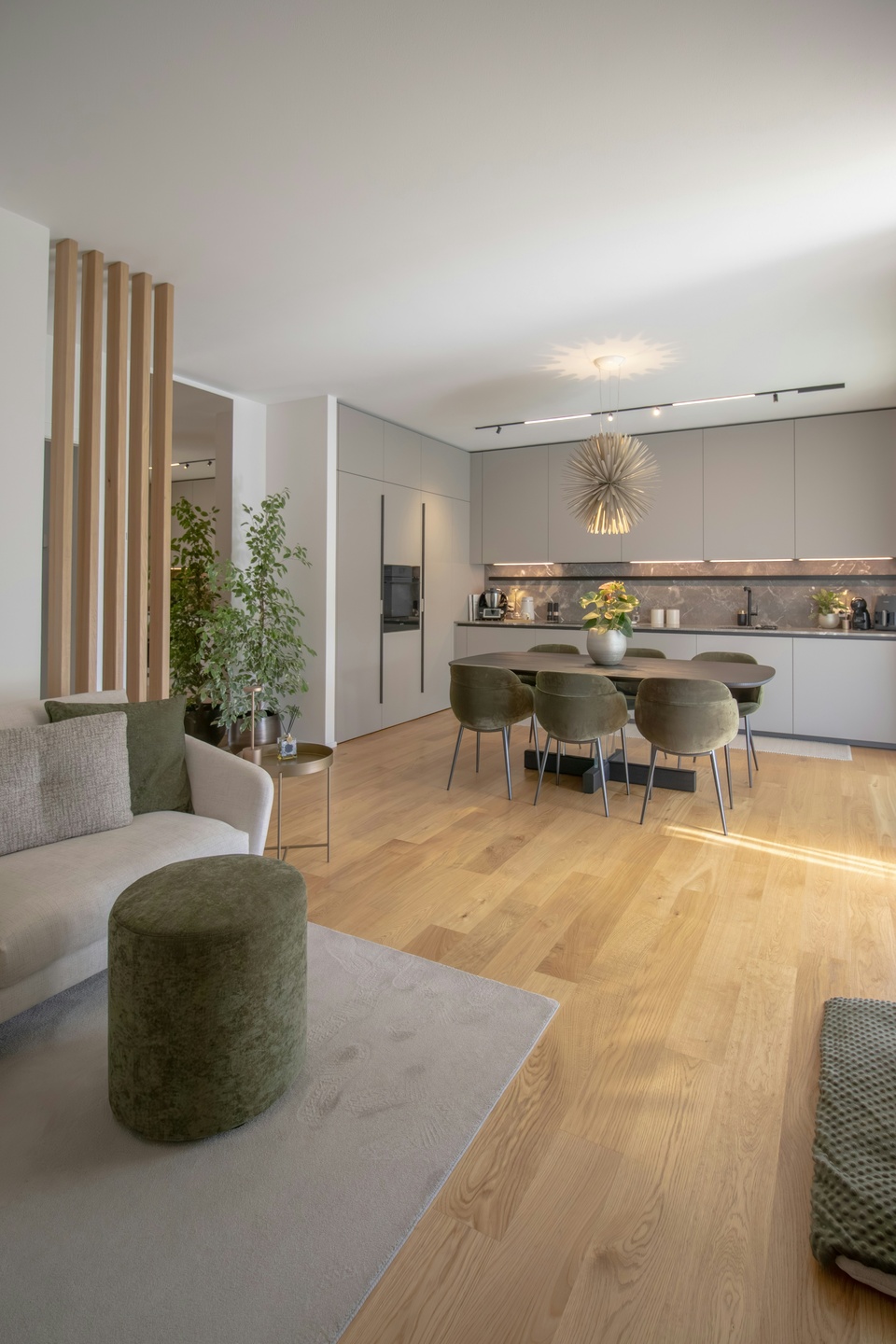
The moment you step into a room with genuine hardwood floors, something shifts. There's an immediate sense of warmth, sophistication, and permanence that other flooring materials simply can't replicate. This isn't just perception – it's psychology at work, and understanding this connection can transform how you think about your flooring investment.
Research in environmental psychology reveals that natural materials like hardwood trigger positive emotional responses in our brains. The organic grain patterns and warm tones of oak, maple, or walnut activate the same neural pathways associated with being in nature, reducing stress hormones and promoting feelings of wellbeing. This biophilic response explains why homes with hardwood floors consistently feel more inviting and comfortable than those with synthetic alternatives.
Color psychology plays an equally important role in how hardwood affects our daily lives. Light maple or ash floors can make spaces feel larger and more energetic, perfect for busy family areas or home offices where productivity matters. Deeper walnut or mahogany tones create intimacy and sophistication, ideal for formal dining rooms or master bedrooms where relaxation is paramount. The beauty of hardwood lies in its versatility – each species and finish offers unique psychological benefits that can be matched to your lifestyle needs.
From a practical standpoint, hardwood floors contribute to what psychologists call "cognitive fluency" – the ease with which our brains process our environment. Unlike busy patterns or synthetic materials that can create visual noise, hardwood's natural simplicity allows our minds to rest, making spaces feel more organized and peaceful even when life gets chaotic.
The investment value extends beyond mere aesthetics. Real estate studies consistently show that homes with hardwood floors sell faster and for higher prices than comparable properties without them. This isn't just about market trends – it's about the immediate emotional connection buyers feel when they encounter quality hardwood. That first impression triggers assumptions about the overall care and quality of the entire home, creating a halo effect that influences purchasing decisions.
Maintenance psychology also favors hardwood. The ability to refinish and restore hardwood floors provides a sense of control and permanence that replacement-only options can't match. This contributes to what environmental psychologists call "place attachment" – the emotional bond we form with our living spaces. When you know your floors can be renewed rather than replaced, you're more likely to view your home as a long-term sanctuary rather than a temporary shelter.
For those concerned about sustainability, choosing hardwood aligns with the growing psychological need for environmental responsibility. Knowing your floors come from renewable resources and will last generations provides peace of mind that synthetic options simply can't deliver.
At Apple Floor Covering Inc in Huntington Station, New York, we understand that choosing hardwood is about more than just picking a pretty floor. It's about creating spaces that support your emotional wellbeing and increase your home's value for years to come.


